
Studio Business
Payment Processing Costs: What Studios Really Pay in 2026
Merchant fees can cost studios $20,000 annually in overpayment. Learn how layered fees work, which platforms charge what, and how to audit your true all-in costs.
Studio Business
Merchant fees can cost studios $20,000 annually in overpayment. Learn how layered fees work, which platforms charge what, and how to audit your true all-in costs.

Studio Business
Payroll consumes 40%+ of studio revenue. Navigate employee classification, FICA taxes, quarterly filing, and software automation to avoid IRS penalties.
Studio Business
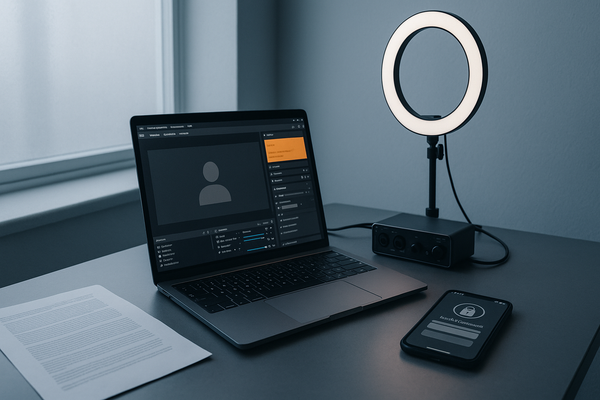
PRO licenses don't cover livestreams. What dance studios must know about sync licenses, grand rights, and emerging compliance solutions for hybrid recitals.

Studio Business
COPPA amendments in April 2026 and financial integration needs are reshaping how dance studios evaluate management software beyond scheduling features.

Studio Business
Only Florida, Michigan, and Illinois require state dance studio licenses, but assembly occupancy, zoning permits, and music licensing create complex compliance.

Instructor Education
Rising mental health challenges demand dance teachers develop psychological literacy. Evidence-based strategies for feedback, competition anxiety, and parent communication.

Technology
Dance studio software is projected to reach $7.12B by 2034. AI scheduling saves 8–10 hours weekly while parent expectations for digital tools reshape operations.
Dance Studio Journal covers the ideas, trends, teaching craft, and business moves shaping the future of dance studios.

How dance educators in 2026 are navigating the tension between technical discipline and holistic pedagogy, art versus sport identity, and cultural integrity.

How trauma-informed teaching, gender-inclusive language, and size-diverse programming are reshaping studio culture and student retention in 2026.

Arthur Murray opened 15 studios in Q1 2026 while private equity consolidates the market. How facility investment, adult enrollment, and funding shifts are redefining studio success.

US dance studios are moving mindfulness and ritual practices from wellness add-ons to foundational pedagogy, addressing student retention and mental health through breathwork, flow state cultivation, and reflective class structures.

The Dancing Studio Software Market reached $3.24 billion in 2026, with AI-powered platforms saving studio administrators 8–10 hours weekly through automated scheduling, registration, and data-driven insights.

Dance teacher pay has reached $30/hour in 2026, but income volatility, physical decline, and emotional labor create a sustainability crisis studio owners must address.
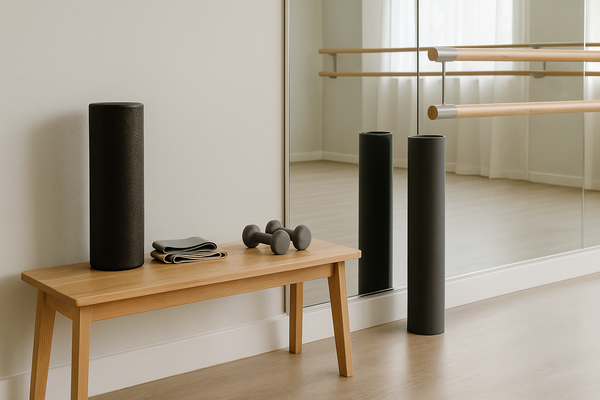
US dance studios are integrating Pilates, functional movement, and athletic training as core curriculum, not optional supplements, driven by injury prevention and performance science.
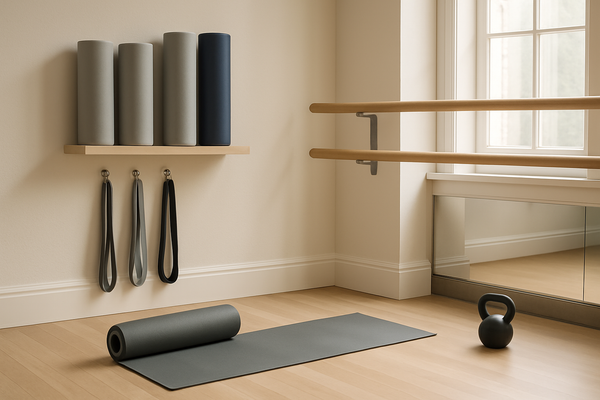
Dance class alone no longer meets performance demands. Research shows 67-95% of professional dancers face annual injuries, driving studios to integrate conditioning and recovery protocols.

How studios are integrating Pilates Fusion, functional movement, and periodized strength work into curricula to reduce injury rates and enhance performance.
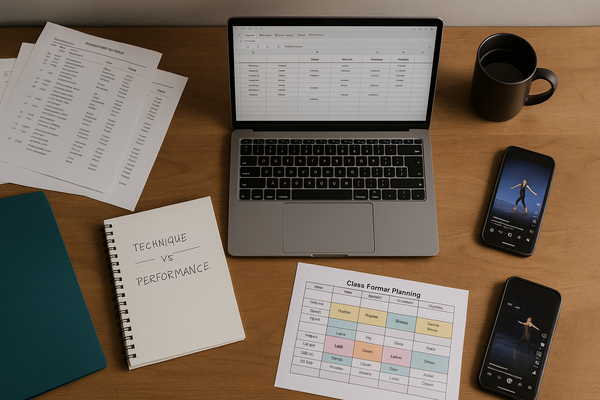
Competition studios dominate in 2026, but the focus on tricks over artistry is sparking backlash. How hybrid models, TikTok trends, and the technique vs. performance debate are reshaping studio programming.

How dance education is being redefined in 2026 through ethical frameworks, student-centered teaching, and holistic competency that develops mind, body, and artistry together.

How studio owners navigate student motivation, plateaus, performance anxiety, burnout, and difficult parent conversations using emotionally intelligent teaching strategies.